
Bridging the Gap for a Confident, Natural Smile


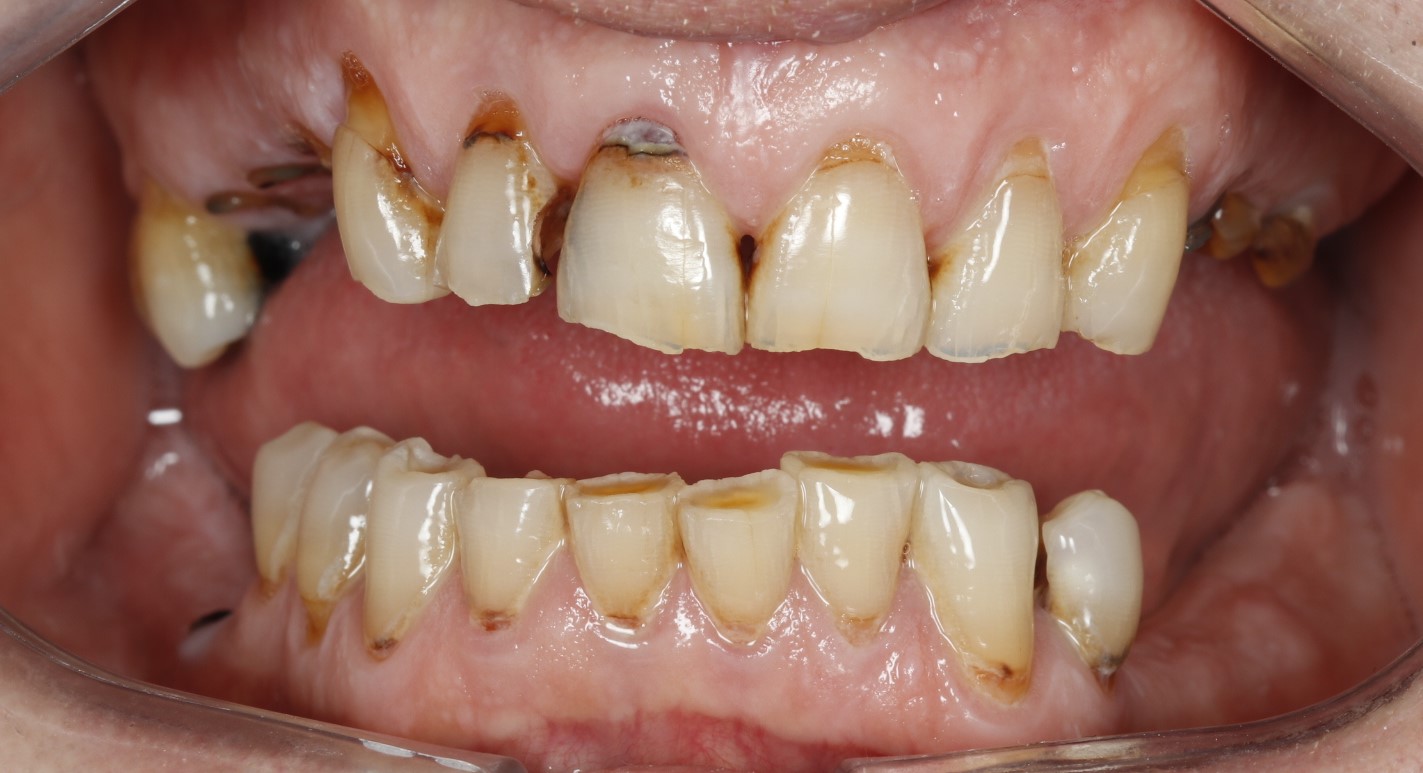
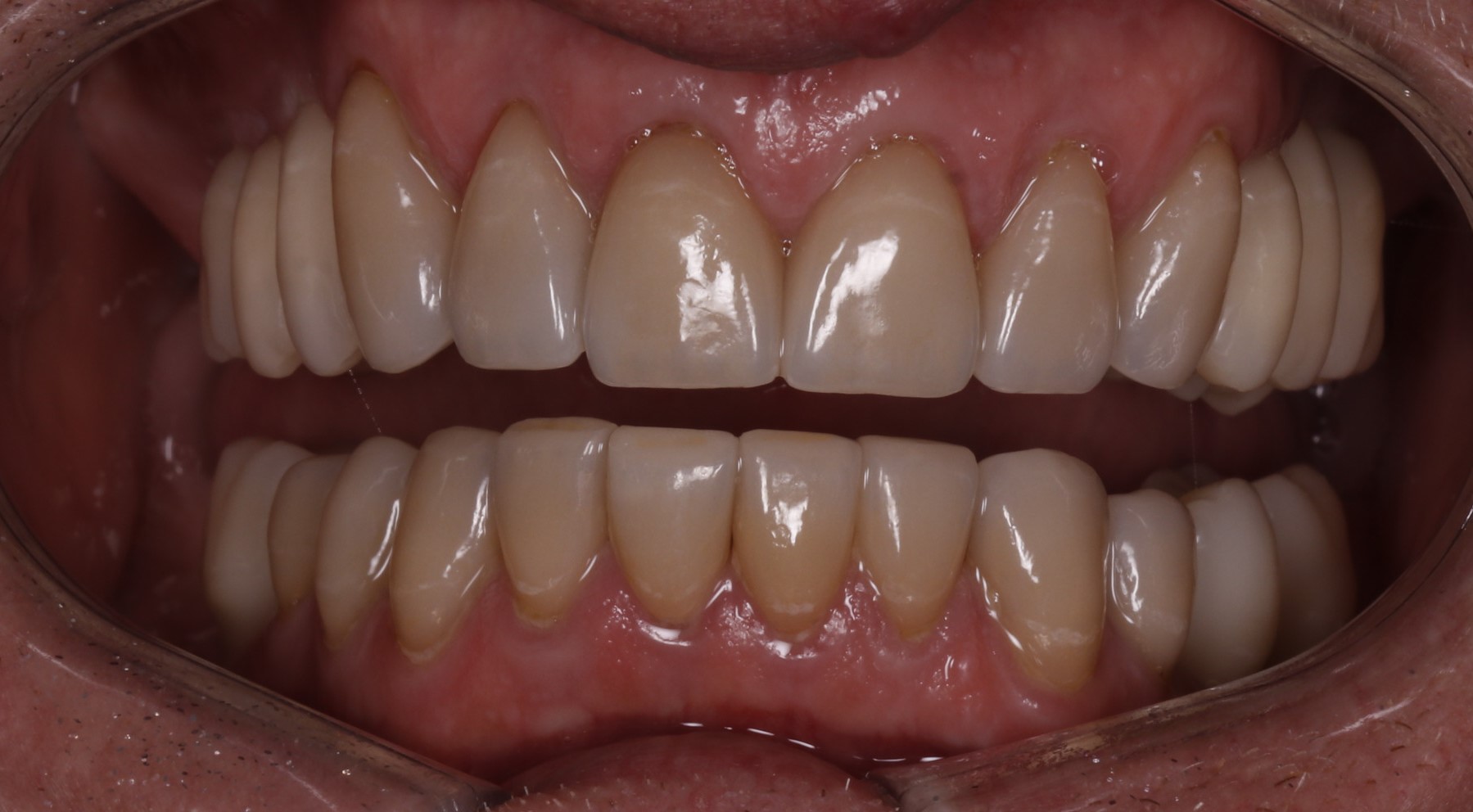
When a Missing Tooth Starts to Weigh on You
A gap from a missing tooth can affect everything from how you chew to how you feel when you smile. It can be easy to lose hope, especially if you’ve been missing a tooth for a long time. At Cook Street Village Dental, we want you to know that a complete, confident smile is absolutely possible. A dental bridge is designed to fill that space with a natural-looking replacement tooth, restoring both function and appearance. To find out how we can help you close the gap in your smile, give our team a call at (778) 486-8408.
How a Dental Bridge Works
A dental bridge replaces a missing tooth with an artificial tooth held in place by crowns on the teeth on either side of the gap. Those neighbouring teeth are reshaped so the crowns can fit over them. A bridge is fixed in place, so you do not take it out to clean it.
Benefits of a Dental Bridge
- Chewing and speaking: Filling the gap can make it easier to bite and speak clearly.
- A natural-looking result: The replacement tooth is matched to the shade and shape of your other teeth.
- A non-surgical option: Placing a traditional bridge does not involve implant surgery.
- Support for nearby teeth: Filling a gap can help keep neighbouring teeth from shifting into it.
Is a Dental Bridge Right for You?
A bridge may be a good fit if the teeth beside the gap are healthy enough to support crowns, or already have large fillings or crowns of their own. It can also suit people who would rather avoid surgery. It is not right for everyone. Reshaping the neighbouring teeth is irreversible, a bridge needs careful cleaning underneath, and over time it may need repair or replacement. If you are weighing your options, you can read about dental implants as another way to replace a missing tooth, and Dr. Thode can help you compare the two for your situation.
What to Expect, Step by Step
- Exam and conversation: Dr. Thode examines the teeth and gums around the gap, may take X-rays, and talks through your options.
- Preparing the teeth: The neighbouring teeth are reshaped, and impressions or scans are taken so your bridge can be made. A temporary bridge may be placed in the meantime.
- Fitting the bridge: The finished bridge is checked for fit and bite, then fixed in place.
What Happens If You Wait
Teeth next to a gap can slowly tilt or drift into the space, which can change how your teeth meet when you bite. The longer a gap stays, the more this can happen, and it can make replacing the tooth more involved later. If you would like to talk it through, call (778) 486-8408.
Frequently Asked Questions
Does getting a dental bridge hurt?
The area is numbed with local anesthetic, so most people find the procedure comfortable. Everyone's experience differs, so tell the team if you feel anything uncomfortable. Some tenderness afterward is common and usually settles within a few days. Ask Dr. Thode what to expect in your case.
How long does a dental bridge last?
How long a bridge lasts depends on your oral hygiene, the health of the supporting teeth and your bite. With good care, many bridges last a number of years, and some need replacing sooner. Regular checkups let Dr. Thode catch problems early, check the fit of the bridge and look after the teeth that support it.
What is the difference between a dental bridge and a dental implant?
A traditional bridge is supported by crowns on the neighbouring teeth, while an implant replaces the tooth root with a post in the jawbone. Each has advantages and limits, and the right choice depends on your teeth, gums, bone and preferences. Dr. Thode can walk you through both at your exam.
How do I care for a dental bridge?
Brush twice a day, and clean underneath the replacement tooth every day with a floss threader or an interdental brush, because plaque can build up where a regular brush does not reach. Keep up regular checkups so Dr. Thode can check the bridge and the teeth that support it.
